
Graphic Medical Storytelling: How Comics Are Making Healthcare Accessible
Let’s face it - medical education can be tough. Complex terms, endless textbooks, and dense lectures often make learning feel like climbing a mountain. But what if I told you there’s a creative way to make healthcare topics easier to understand and even enjoyable? Enter graphic medical storytelling. This innovative approach uses comics to break down complicated medical concepts into digestible, visual narratives. Sounds fun, right? Let’s dive into how this works and why it’s gaining traction among medical students, healthcare professionals, and educators alike.
Why Graphic Medical Storytelling Works So Well
You might wonder, why comics? Aren’t they just for kids or superheroes? Actually, graphic storytelling taps into our natural love for stories and visuals. When you combine images with text, it creates a powerful learning tool that sticks in your memory better than plain words.
Here’s why it’s effective:
Visual learning: Many people grasp concepts faster when they see them illustrated.
Emotional connection: Stories evoke empathy, making medical scenarios more relatable.
Simplification: Complex ideas get broken down into bite-sized, understandable chunks.
Engagement: Comics keep you hooked, making study sessions less of a chore.
For example, a comic about managing diabetes might show a character’s daily routine, challenges, and triumphs. This narrative approach helps you understand not just the biology but also the human side of the condition.

Exploring Graphic Medical Storytelling in Practice
So, how does this look in real life? Medical educators and professionals are increasingly using graphic novels and comics to teach everything from anatomy to mental health. These stories often feature patients’ journeys, healthcare workers’ experiences, or explanations of diseases and treatments.
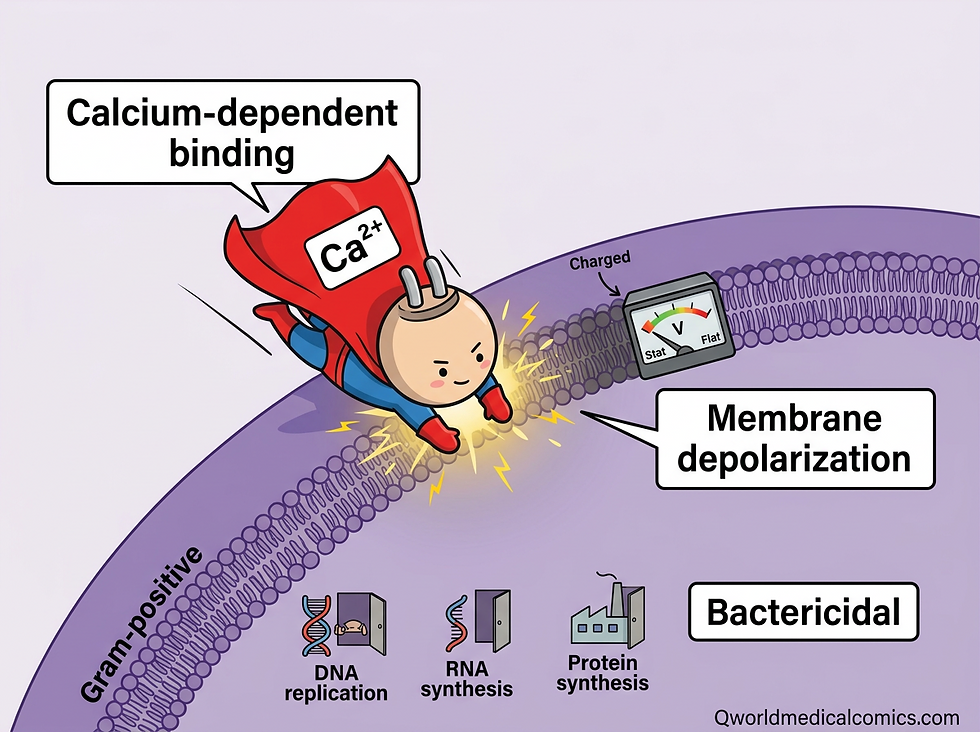
One standout example is the use of graphic medicine comics, a growing field that blends comics and healthcare education. These comics cover topics like chronic illness, doctor-patient communication, and ethical dilemmas in medicine.
Here’s how you can incorporate graphic medical storytelling into your learning or teaching:
Use comics as supplementary material: Add graphic novels alongside textbooks to reinforce concepts.
Create your own visual stories: Try drawing simple comics to explain tricky topics.
Discuss comics in study groups: Analyze the stories and medical content together.
Apply storytelling in patient education: Use comics to help patients understand their conditions.
This approach not only makes learning more accessible but also encourages empathy and better communication skills.

What is the Saddest Graphic Novel?
If you’re curious about emotional impact, some graphic novels in the medical field are truly heart-wrenching. They don’t just teach; they touch your soul. One of the saddest graphic novels is Mom’s Cancer by Brian Fies. It’s a raw, honest portrayal of a family’s struggle with cancer, told through a comic format.
Why does this matter? Because sadness and vulnerability in these stories help readers connect deeply with the realities of illness. It’s not just about facts and figures; it’s about human experience. This emotional layer can improve understanding and compassion in healthcare professionals.
Other notable mentions include Cancer Vixen by Marisa Acocella Marchetto and Marbles: Mania, Depression, Michelangelo, and Me by Ellen Forney. These works highlight mental health and chronic illness with honesty and humor, making tough topics approachable.
Practical Tips for Using Graphic Medical Storytelling Effectively
Ready to give graphic medical storytelling a try? Here are some actionable tips to get the most out of this method:
Choose reputable sources: Look for comics created or reviewed by medical professionals.
Mix media: Combine comics with videos, lectures, and hands-on practice.
Reflect on stories: After reading, jot down what you learned and how it applies to real cases.
Share with peers: Discussing graphic novels can deepen your understanding.
Use visuals to teach: If you’re an educator, encourage students to create their own comics.
Remember, the goal is to make learning less intimidating and more memorable. Don’t be afraid to get creative!
The Future of Medical Education with Graphic Storytelling
The rise of graphic medical storytelling signals a shift in how we approach healthcare education. As technology advances and attention spans shrink, visual and narrative methods will become even more important.
Imagine a future where:
Medical textbooks come alive with interactive comics.
Virtual reality merges with graphic storytelling for immersive learning.
Patients receive personalized comic guides to manage their health.
This isn’t science fiction - it’s happening now. Platforms like Medical Comics are leading the charge, aiming to transform medical education by making complex topics accessible and enjoyable. They want to be your go-to resource for engaging, effective learning.
So, next time you’re overwhelmed by medical jargon, why not pick up a graphic novel? It might just be the fresh perspective you need.
Graphic medical storytelling isn’t just a trend - it’s a powerful tool reshaping healthcare education. By blending art and science, it makes learning human, relatable, and yes, even fun. Ready to explore this exciting world? Your next study session just got a whole lot more colorful! Qworldmedicalcomics.com


Comments