

Leveraging Comics for Medical Education: Teaching with Medical Comics
- Jan 5
- 3 min read
In recent years, the use of visual storytelling has gained traction in various educational fields. One particularly innovative approach is the integration of comics into medical education. Comics combine images and text to create engaging narratives that can simplify complex medical concepts. This method not only enhances understanding but also improves retention and empathy among learners. This article explores how teaching with medical comics can transform the way medical knowledge is delivered and absorbed.
The Power of Visual Storytelling in Medical Education
Visual storytelling is a powerful tool for education because it taps into the brain’s natural preference for images. When complex information is presented visually, it becomes easier to grasp and remember. Medical education often involves dense material, such as anatomy, pathology, and pharmacology, which can overwhelm students. Comics break down these topics into manageable, illustrated stories that clarify difficult concepts.
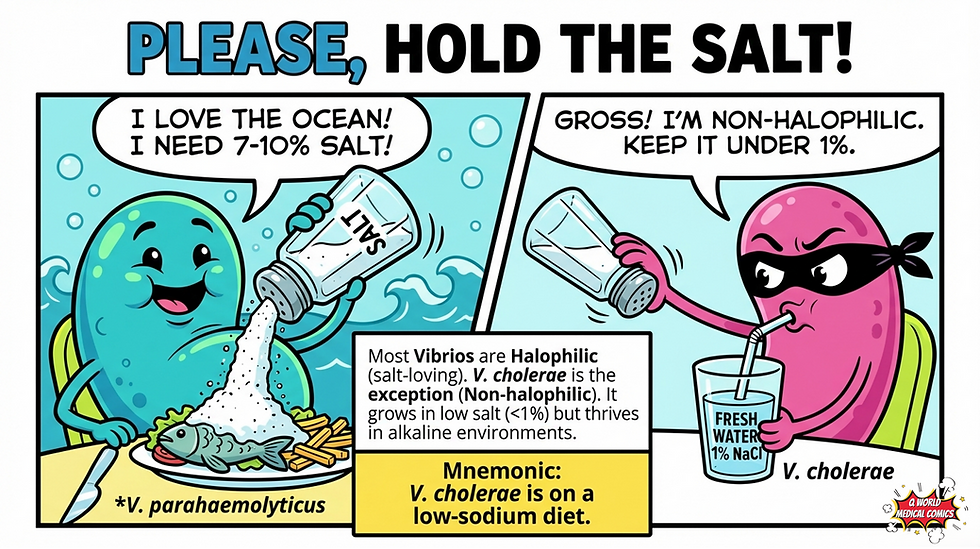
For example, a comic strip explaining the immune response can depict the interaction between white blood cells and pathogens in a way that textbooks cannot. The combination of visuals and dialogue helps students visualize processes and understand the sequence of events. This approach also caters to different learning styles, especially for visual learners who benefit from seeing information rather than just reading it.

Teaching with Medical Comics: Enhancing Engagement and Retention
Teaching with medical comics offers several advantages over traditional methods. First, comics are inherently engaging. The narrative format encourages students to follow a story, making learning more enjoyable. This engagement can lead to increased motivation and better focus during study sessions.
Second, comics improve retention. Studies have shown that combining images with text enhances memory recall. When students read a comic about a medical condition, they are more likely to remember the symptoms, causes, and treatments because the information is presented in a memorable context.
Third, comics foster empathy. Medical education is not just about facts; it also involves understanding patient experiences. Comics can depict patient stories, highlighting emotional and psychological aspects of illness. This helps future healthcare professionals develop compassion and communication skills.
To implement this approach effectively, educators can:
Integrate comics into lectures and presentations.
Assign comic-based case studies for group discussions.
Encourage students to create their own comics to reinforce learning.

Practical Applications of Comics in Medical Training
Comics can be used across various areas of medical education, including:
Anatomy and Physiology: Visualizing body systems and their functions through illustrated stories.
Pathology: Depicting disease mechanisms and progression in a narrative format.
Pharmacology: Explaining drug actions and side effects with character-driven scenarios.
Ethics and Communication: Presenting patient interactions and ethical dilemmas to develop soft skills.
Public Health Education: Creating accessible materials for community awareness campaigns.
For instance, a comic about diabetes management can show a patient’s daily routine, challenges, and interactions with healthcare providers. This contextual learning helps students understand the practical aspects of care beyond textbook knowledge.
Educators should select or create comics that are accurate, culturally sensitive, and relevant to the curriculum. Collaborating with medical illustrators and writers can ensure quality content that meets educational goals.
Tips for Creating Effective Medical Comics
Creating effective medical comics requires careful planning and attention to detail. Here are some actionable recommendations:
Keep it simple: Use clear language and avoid jargon. The goal is to simplify complex ideas without losing accuracy.
Focus on key messages: Identify the main learning points and build the story around them.
Use relatable characters: Characters should reflect diverse patient populations and healthcare professionals.
Incorporate humor and emotion: These elements make the content more engaging and memorable.
Test with learners: Gather feedback to improve clarity and impact.
Digital tools like graphic tablets and comic creation software can facilitate the production process. Additionally, educators can encourage students to participate in comic creation as a creative learning exercise.
Future Prospects: Expanding the Role of Comics in Medical Education
The future of medical education is likely to see greater integration of multimedia and interactive content. Comics, combined with digital platforms, can offer immersive learning experiences. For example, interactive e-comics with clickable elements can provide additional information, quizzes, and links to resources.
Moreover, the use of medical comics can extend beyond formal education to patient education and public health. Comics can simplify medical instructions, promote healthy behaviors, and reduce anxiety about medical procedures.
As technology advances, virtual reality (VR) and augmented reality (AR) could merge with comic storytelling to create dynamic educational tools. These innovations will further enhance understanding and engagement in medical training.
By embracing comics as a teaching tool, medical educators can foster a more inclusive, effective, and enjoyable learning environment.
By integrating comics into medical education, educators can unlock new pathways for learning that combine clarity, engagement, and empathy. This approach not only benefits students but also ultimately improves patient care by producing well-rounded healthcare professionals.


Comments