
Top Educational Health Comics for Educational Fun
If you think medical education has to be all textbooks and endless lectures, think again! There’s a fresh, fun way to learn complex medical concepts that’s catching on fast. I’m talking about educational health comics. These clever, colorful stories make tough topics easier to understand and way more enjoyable. Whether you’re diving into anatomy, pharmacology, or patient care, comics can turn dry facts into memorable lessons.
Ready to explore some of the best educational health comics out there? Let’s jump in and see how these creative tools can boost your learning and keep you smiling.
Why Educational Health Comics Work So Well
You might wonder, why comics? Aren’t they just for kids? Actually, educational health comics are a powerful way to engage your brain. Here’s why:
Visual storytelling helps you remember information better. When you see a concept illustrated, it sticks.
Simplified explanations break down complex ideas into bite-sized pieces.
Humor and relatable characters make learning less intimidating and more fun.
Active engagement encourages you to think critically as you follow the story.
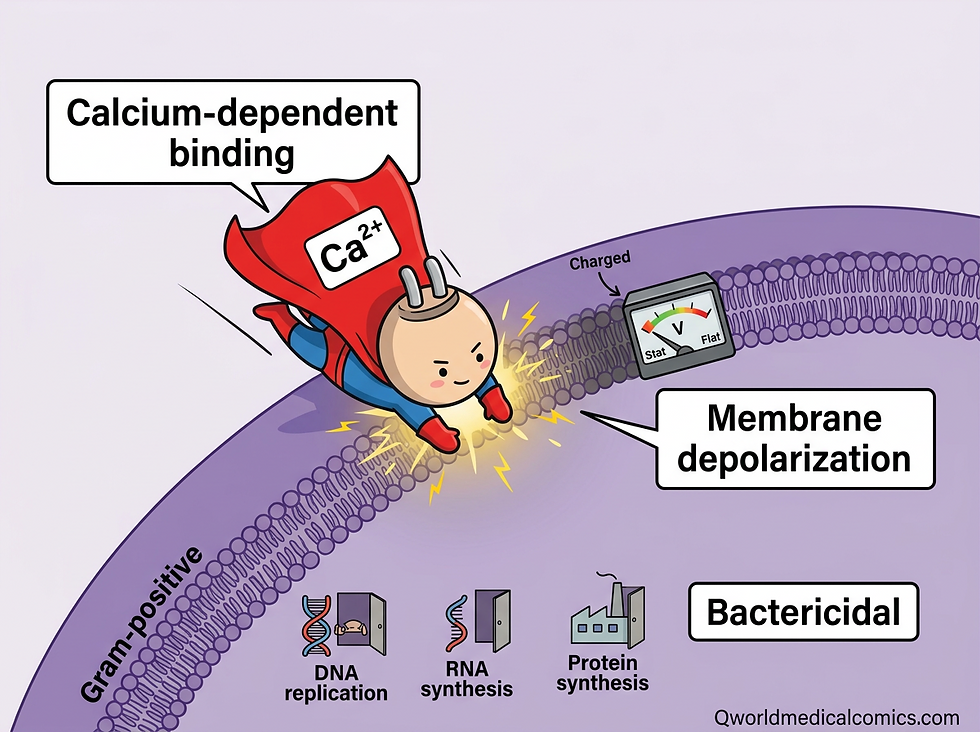
For example, a comic about the immune system might show white blood cells as superheroes battling germs. Suddenly, you’re not just memorizing terms—you’re imagining a thrilling fight scene! This kind of learning is effective and enjoyable.

Top Picks for Educational Health Comics
Now, let’s get to the good stuff. Here are some standout educational health comics that I recommend for anyone wanting to learn medicine in a fresh way:
1. The Bad Doctor
This comic series takes a humorous look at the life of a medical resident. It’s packed with real-life scenarios, from chaotic hospital shifts to awkward patient interactions. The art style is simple but expressive, making it easy to follow. Plus, it’s a great reminder that even doctors have off days!
2. Surgeon X
If you’re fascinated by surgery, this one’s for you. Surgeon X combines thrilling storytelling with accurate surgical procedures. It’s like a medical drama in comic form, but with educational value. You’ll learn about anatomy, surgical tools, and decision-making under pressure.
3. Cells at Work!
This Japanese manga turned anime is a fan favorite. It personifies cells in the human body, turning them into characters with unique personalities. It’s a fantastic way to understand how your body functions on a microscopic level. Plus, it’s entertaining enough to binge-read.
4. The Cartoon Guide to Physiology
This comic-style guide covers the basics of human physiology with clear illustrations and witty commentary. It’s perfect for visual learners who want a solid foundation without getting overwhelmed by jargon.
5. Pharma Comic
Pharmacology can be a tough subject, but Pharma Comic makes it accessible. It uses stories and characters to explain drug mechanisms, side effects, and interactions. You’ll find yourself laughing while absorbing important info.

How to Use Educational Health Comics in Your Study Routine
You might be thinking, “These comics sound great, but how do I fit them into my study schedule?” Here are some practical tips:
Supplement your textbooks: Use comics to review or preview topics. They’re great for quick refreshers before exams.
Group study sessions: Share comics with peers and discuss the content. It’s a fun way to reinforce learning.
Visual note-taking: Create your own comic strips summarizing lectures or clinical cases.
Break up study time: When you feel overwhelmed, switch to a comic to relax and learn simultaneously.
Teach others: Use comics to explain concepts to classmates or patients. Teaching is a powerful way to deepen your understanding.
By mixing comics with traditional study methods, you’ll keep your brain engaged and avoid burnout.
The Science Behind Comics and Learning
You might be curious about the research supporting this approach. Studies show that combining visuals with text improves comprehension and retention. Comics engage multiple parts of the brain, including those responsible for language, memory, and visual processing.
Moreover, the narrative format helps learners connect emotionally with the material. When you care about the characters or story, you’re more motivated to learn. This emotional connection can be especially helpful in medical education, where empathy and communication are key.
So, using medical comics isn’t just fun—it’s backed by science!
Bringing Comics Into Medical Education: What’s Next?
The future looks bright for educational health comics. As more educators and professionals recognize their value, we’ll see even more innovative content. Imagine interactive digital comics with quizzes, animations, and real-time feedback!
If you’re involved in teaching or curriculum design, consider incorporating comics into your materials. They can make lectures livelier and help students grasp difficult concepts faster.
For self-learners, keep exploring new titles and formats. The more you expose yourself to different styles, the better you’ll understand and retain information.
Your Next Step: Dive Into Educational Health Comics Today!
Ready to add some fun to your medical studies? Start by picking one of the comics I mentioned or search for others that match your interests. Remember, learning doesn’t have to be dull or stressful. With educational health comics, you get the best of both worlds - knowledge and entertainment.
So, why not give it a try? Your brain (and your funny bone) will thank you!
Happy reading and happy learning!


Comments