

Exploring the Power of Medical Comics in Education
- Aug 12, 2025
- 4 min read
In recent years, educational comics on medicine have emerged as a powerful tool to enhance learning and engagement in healthcare education. These visual narratives combine storytelling with medical knowledge, making complex concepts easier to understand and remember. By blending art and science, educational comics offer a unique approach to medical education that appeals to diverse learners.
The Rise of Educational Comics on Medicine
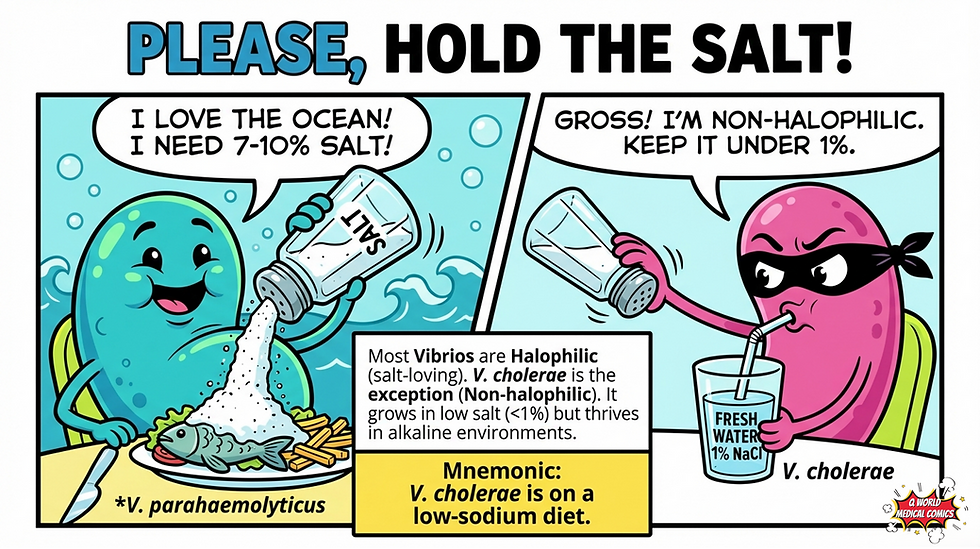
Educational comics on medicine have gained popularity due to their ability to simplify intricate medical topics. Traditional textbooks can be dense and intimidating, but comics break down information into digestible, visually appealing segments. This format helps learners retain information better by engaging both the visual and verbal parts of the brain.
For example, a comic explaining the immune system might depict white blood cells as superheroes fighting off invading viruses. This imaginative representation makes the subject more relatable and less abstract. Additionally, comics can illustrate processes that are difficult to visualize, such as cellular interactions or surgical procedures, providing a clearer understanding.
Educators have found that incorporating comics into their curriculum increases student motivation and participation. The storytelling aspect encourages curiosity and empathy, which are essential qualities in healthcare professionals. Moreover, comics can be tailored to different educational levels, from high school biology classes to advanced medical training.

Benefits of Using Educational Comics on Medicine in Learning
Using educational comics on medicine offers several practical benefits:
Improved Comprehension: Visual storytelling helps learners grasp complex ideas quickly.
Enhanced Memory Retention: The combination of images and text aids long-term recall.
Increased Engagement: Comics are more enjoyable and less intimidating than traditional textbooks.
Accessibility: They can be used by learners with different reading abilities and language backgrounds.
Encouragement of Critical Thinking: Storylines often present medical dilemmas, prompting analysis and discussion.
For instance, a comic about diabetes management might show a character navigating daily challenges, such as monitoring blood sugar and making dietary choices. This scenario-based learning helps readers apply knowledge to real-life situations.
Teachers and trainers can integrate comics into lectures, workshops, or online courses. They can also serve as supplementary materials for self-study. The visual format supports learners who struggle with dense text or abstract concepts, making medical education more inclusive.

What is the best medical news source?
When it comes to staying updated with the latest medical news, accuracy and reliability are paramount. Trusted sources include peer-reviewed journals, official health organizations, and reputable medical news websites. Some of the best medical news sources are:
The New England Journal of Medicine (NEJM) - Offers cutting-edge research and clinical reviews.
Centers for Disease Control and Prevention (CDC) - Provides updates on public health and disease prevention.
Medscape - Delivers news, expert commentary, and continuing medical education.
Mayo Clinic News Network - Shares patient-centered health information and research breakthroughs.
World Health Organization (WHO) - Offers global health updates and guidelines.
For those interested in combining education with entertainment, medical comics can also be a valuable resource. They often incorporate current medical knowledge in an accessible format, making it easier to digest complex news and concepts.

How to Create Effective Educational Comics on Medicine
Creating educational comics on medicine requires a balance between accuracy and creativity. Here are some actionable recommendations for producing effective medical comics:
Collaborate with Medical Experts: Ensure the content is scientifically accurate and up-to-date.
Use Clear and Simple Language: Avoid jargon to make the material accessible to a broad audience.
Incorporate Visual Metaphors: Use relatable imagery to explain abstract concepts.
Focus on Storytelling: Develop characters and scenarios that engage readers emotionally.
Maintain Ethical Standards: Respect patient privacy and avoid misinformation.
Test with Target Audience: Gather feedback to improve clarity and impact.
For example, a comic about vaccination might feature a storyline where a community comes together to protect each other, highlighting the importance of herd immunity. Visual elements like colorful characters and dynamic action scenes can make the message memorable.
Digital tools such as graphic tablets and design software can streamline the creation process. Additionally, publishing comics online or as printable booklets increases accessibility and reach.
Future Trends in Medical Education with Comics
The future of medical education looks promising with the integration of comics and other visual media. Emerging technologies like augmented reality (AR) and virtual reality (VR) can enhance the comic experience by adding interactive elements. Imagine a comic where readers can explore 3D models of organs or simulate medical procedures.
Furthermore, personalized learning paths using comics can cater to individual needs and learning styles. Adaptive platforms might recommend specific comics based on a learner’s progress and interests.
The use of comics is also expanding beyond students to include patient education. Visual stories can help patients understand their conditions, treatment options, and lifestyle changes, leading to better health outcomes.
As awareness grows, more institutions are likely to adopt educational comics on medicine as a standard teaching tool. This shift will foster a more engaging, inclusive, and effective learning environment.
Educational comics on medicine are transforming how medical knowledge is shared and absorbed. By combining art, storytelling, and science, they make learning more accessible and enjoyable. Whether you are a student, educator, or healthcare professional, exploring this innovative medium can enrich your understanding and communication of medical concepts.


Comments